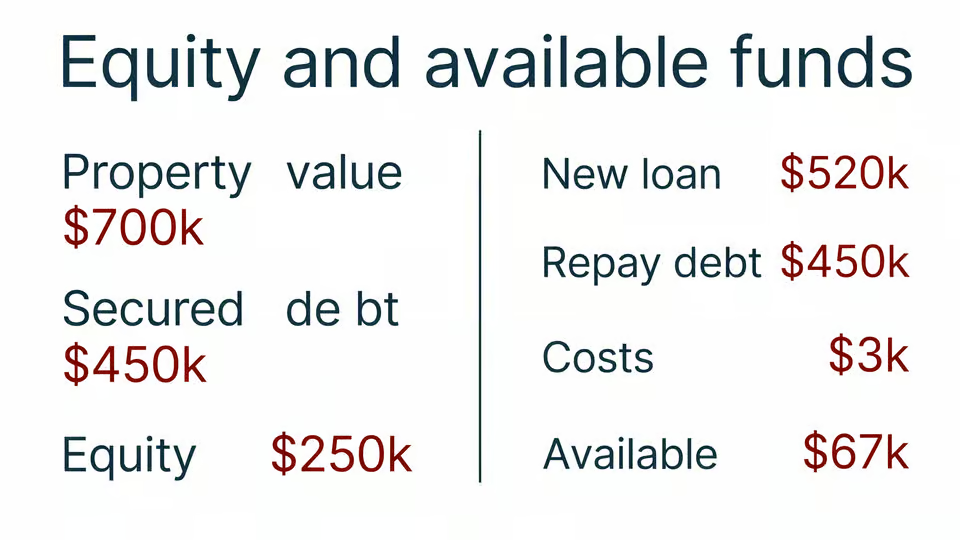
Compare your current mortgage with a proposed refinance. See the funds left after debts and costs, how payments change, and the debt remaining at the same point in time.
Start with the illustrative example, then replace its figures. Keep one scenario to compare it with your changes. Your entries stay in this page; refreshing clears them.
Your illustration
What the numbers show
Calculate the example or enter your figures.
All transaction costs entered are deducted from refinance proceeds. Rates stay constant in this illustration, including beyond a renewal date. Compare within known terms where possible. A lower mortgage payment is not proof of lower total borrowing costs.
Net proceeds are the proposed loan less the current mortgage balance, other secured debts being paid out, the payout penalty and transaction costs. This version deducts all entered costs from the loan proceeds. If the result is negative, you would need to contribute cash.
02
Compare payments and debt over the same period
Each mortgage uses its own loan amount, rate, compounding convention and amortization. The comparison shows interest and principal remaining at the end of the chosen period. A longer amortization may reduce payments while leaving more debt outstanding. Changing the period can change the comparison.
03
Confirm the details before arranging a refinance
Use the lender’s actual payout quote and confirm the property value, costs and available terms. This illustration holds rates constant, including beyond renewal dates. Payments on other debts being paid out are not included, so the mortgage payment difference is not a total household cash-flow saving.
Bring the numbers into your financing plan.
A calculator helps you test assumptions. Streetwise can review the property, financing terms and your wider plans together.